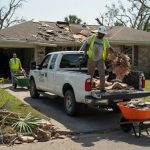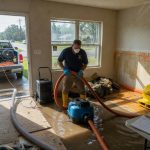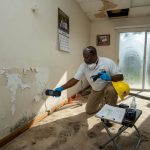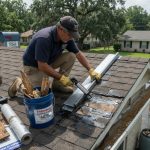
Water damage restoration is the process of returning your home to its pre-damage condition after flooding or water intrusion. Professional restoration typically costs $1,500 to $15,000, depending on damage severity, and should begin within 24-48 hours to prevent mold growth and structural damage.
What Exactly Is Water Damage Restoration?
Water damage restoration is a multi-step process that removes water, dries affected areas, and repairs damage to return your home to its original condition. The process involves water extraction, dehumidification, cleaning, sanitizing, and rebuilding damaged materials.
Professional restoration follows industry standards set by the Institute of Inspection, Cleaning and Restoration Certification (IICRC). The process typically includes:
- Assessment and inspection using moisture meters and thermal imaging.
- Water extraction with powerful pumps and vacuums.
- Drying and dehumidification using industrial-grade equipment.
- Cleaning and sanitizing all affected surfaces and belongings.
- Restoration and repairs from minor fixes to major reconstruction.
The key difference between restoration and simple cleanup is that restoration addresses hidden moisture and prevents future problems like mold growth.
How Much Does Water Damage Restoration Cost?
Water damage restoration costs typically range from $1,500 for minor incidents to $15,000 or more for severe flooding. The final price depends on water category, affected area size, and required repairs.
Cost factors include:
- Water category: Clean water costs less than sewage cleanup.
- Affected area: Larger spaces require more equipment and time.
- Materials damaged: Hardwood floors cost more to restore than concrete.
- Structural damage: Foundation or framing repairs increase costs significantly.
Average cost breakdown:
- Water extraction: $500-$3,000.
- Drying and dehumidification: $1,000-$4,000.
- Cleaning and sanitizing: $200-$1,500.
- Repairs and reconstruction: $500-$10,000+.
Get multiple quotes from certified restoration companies, as prices can vary significantly by region and company size.
Can I Do Water Damage Restoration Myself or Do I Need Professionals
DIY water damage restoration works only for small, clean water incidents affecting less than 10 square feet with no electrical hazards. Anything larger or involving contaminated water requires professional equipment and expertise.
Choose DIY if:
- Clean water source (broken pipe, not sewage).
- Small affected area (under 10 square feet).
- No electrical systems involved.
- Damage occurred within the last 24 hours.
Hire professionals when:
- Sewage or contaminated water is present.
- Multiple rooms are affected.
- Water reached electrical outlets or appliances.
- Structural materials like drywall or insulation are soaked.
- You smell musty odors, indicating possible mold.
Professional restoration companies have industrial dehumidifiers that remove moisture 10 times faster than household fans. They also carry liability insurance and follow safety protocols for contaminated water.
How Quickly Should Water Damage Be Addressed?
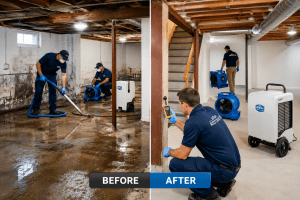
Water damage restoration should begin within 24-48 hours to prevent mold growth and minimize structural damage. Mold can start growing within 24-72 hours in moist conditions, making immediate action critical.
Timeline for action:
- First 24 hours: Stop water source, extract standing water, begin drying.
- 24-48 hours: Professional assessment, industrial drying equipment setup.
- 48-72 hours: Mold prevention becomes much harder after this point.
- 1 week+: Structural damage worsens, restoration costs increase significantly.
The longer you wait, the more expensive the restoration becomes. Water continues spreading through porous materials like drywall and wood, requiring more extensive repairs and replacement.
What Are the Most Common Causes of Water Damage in Homes
The most common causes of residential water damage are plumbing failures, appliance leaks, and roof problems, accounting for over 75% of homeowner insurance claims. Understanding these causes helps with prevention and quick response.
Top causes include:
- Burst or leaking pipes (29% of claims).
- Appliance failures (washing machines, water heaters, dishwashers).
- Roof leaks from damaged shingles or flashing.
- HVAC system problems, including condensation and duct leaks.
- Toilet overflows and plumbing backups.
- Foundation cracks are allowing groundwater seepage.
Homes over 20 years old face higher risks due to aging plumbing and roofing materials. Regular maintenance and inspections can prevent many of these issues.
What Health Risks Come From Untreated Water Damage?
Untreated water damage creates serious health risks, including mold exposure, bacterial infections, and respiratory problems within days of the initial incident. Contaminated water poses immediate dangers while prolonged moisture enables harmful microorganism growth.
Immediate health risks:
- Bacterial infections from contaminated floodwater.
- Chemical exposure if water contacts household cleaners or chemicals.
- Electrical hazards from water near outlets and appliances.
Long-term health risks:
- Mold-related illnesses, including allergies and respiratory problems.
- Structural collapse from weakened building materials.
- Indoor air quality problems are affecting vulnerable family members.
Children, elderly individuals, and people with compromised immune systems face the highest risks from water damage exposure.
How Do Insurance Companies Handle Water Damage Claims?
Most homeowners’ insurance covers sudden, accidental water damage but excludes gradual leaks and flood damage, which requires separate flood insurance. Understanding your coverage before damage occurs helps speed the claims process.
Typically covered:
- Burst pipe damage.
- Appliance malfunctions.
- Roof leak repairs (if sudden).
- Ice dam damage.
Usually excluded:
- Flood damage from external water sources.
- Gradual leaks over time.
- Maintenance-related issues.
- Sewer backup (unless you have specific coverage).
Claims process tips:
- Document damage with photos immediately.
- Contact your insurance company within 24 hours.
- Keep receipts for emergency repairs and temporary housing.
- Don’t throw away damaged items until the adjuster sees them.
What’s the Difference Between Water Mitigation and Water Restoration?
Water mitigation focuses on stopping further damage immediately after an incident, while water restoration returns your property to its pre-damage condition through repairs and reconstruction. Most companies offer both services in sequence.
Water mitigation includes:
- Emergency water extraction.
- Temporary roof tarping or board-up.
- Initial drying and dehumidification.
- Content pack-out to prevent further damage.
Water restoration includes:
- Complete drying and moisture removal.
- Cleaning and sanitizing affected areas.
- Repairing or replacing damaged materials.
- Final reconstruction and finishing work.
Think of mitigation as emergency first aid and restoration as the complete healing process. Both are essential for proper water damage recovery.
Are Some Homes More at Risk for Water Damage Than Others
Homes in flood zones, those over 20 years old, and properties with basements face significantly higher water damage risks due to location, aging systems, and structural factors. Geographic and architectural factors greatly influence vulnerability.
High-risk properties:
- Homes in FEMA flood zones.
- Properties built before 2000 with original plumbing.
- Houses with basements or crawl spaces.
- Homes near rivers, lakes, or coastal areas.
- Properties with flat or low-slope roofs.
Risk reduction strategies:
- Install water leak detection systems.
- Replace old plumbing and appliances proactively.
- Improve drainage around your foundation.
- Maintain gutters and downspouts regularly.
- Consider flood insurance even outside high-risk zones.
How Long Does a Typical Water Damage Restoration Take?
Most water damage restoration projects take 3-7 days for drying and 1-4 weeks total, including repairs, depending on damage severity and materials affected. Complex cases involving structural damage can extend to several months.
Timeline factors:
- Drying phase: 3-7 days with professional equipment.
- Minor repairs: Additional 1-2 weeks.
- Major reconstruction: 4-12 weeks or longer.
- Insurance processing: Can add 1-2 weeks to the timeline.
Factors affecting duration:
- Amount of water and affected area size.
- Types of materials damaged (carpet dries faster than hardwood).
- Humidity levels and weather conditions.
- Availability of contractors and materials.
Living in your home during restoration is often possible, though some areas may be temporarily inaccessible.
What Equipment Do Professionals Use for Water Damage Restoration?
Professional water damage restoration requires specialized equipment, including industrial dehumidifiers, air movers, and moisture detection tools that remove water and humidity far more effectively than household equipment. This equipment costs thousands of dollars and requires training to operate safely.
Essential professional equipment:
- Industrial dehumidifiers that remove 50-100+ pints of moisture daily.
- High-velocity air movers create airflow for faster drying.
- Moisture meters and thermal imaging cameras to detect hidden water.
- Truck-mounted extraction units for rapid water removal.
- Air scrubbers with HEPA filters for mold spore removal.
- Injection drying systems for drying inside wall cavities.
Professional equipment operates 24/7 and can dry a water-damaged home in days rather than weeks. Rental costs for this equipment often exceed professional service fees.
What Mistakes Do Homeowners Often Make After Water Damage Happens?
The most common homeowner mistakes after water damage are waiting too long to start restoration, inadequate drying, and attempting complex repairs without professional help. These errors often turn minor incidents into major problems requiring extensive reconstruction.
Critical mistakes to avoid:
- Delaying action beyond 24-48 hours
- Using only household fans instead of proper drying equipment
- Ignoring hidden moisture in walls and under flooring
- Throwing away damaged items before insurance documentation
- Turning on electricity in flooded areas without professional inspection
- Assuming everything is dry when surfaces feel dry, but materials remain moist
The biggest mistake is underestimating the complexity of proper drying. Moisture trapped in building materials causes mold growth and structural damage weeks or months later.
Does Homeowners Insurance Cover Water Damage?
Standard homeowners’ insurance covers most sudden water damage from internal sources like burst pipes, but excludes flood damage from external water sources and gradual leaks from poor maintenance. Coverage varies significantly between policies and insurance companies.
Generally covers water damage:
- Sudden pipe bursts and plumbing failures.
- Appliance malfunctions and overflows.
- Accidental discharge from fire sprinkler systems.
- Ice dam damage and sudden roof leaks.
Typically excluded:
- Flood damage from storms, rivers, or groundwater.
- Sewer backup (unless specifically added).
- Gradual leaks from maintenance neglect.
- Damage from frozen pipes in unheated areas.
Coverage tips:
- Review your policy annually with your agent.
- Consider flood insurance even outside high-risk areas.
- Add sewer backup coverage if available.
- Document your home’s condition with photos before damage occurs.
Conclusion
Water damage restoration requires immediate action, proper equipment, and often professional expertise to protect your home and health. The key to successful restoration lies in responding within 24-48 hours, understanding your insurance coverage, and recognizing when professional help is necessary.
Start by stopping the water source and documenting damage for insurance purposes. For minor clean water incidents under 10 square feet, careful DIY restoration may work, but larger or contaminated water situations require professional intervention. Remember that hidden moisture causes long-term problems, making thorough drying essential.
Take action now by locating your main water shutoff, reviewing your insurance policy, and identifying certified restoration companies in your area before you need them. A quick response and proper restoration techniques will help ensure your home returns to a safe and dry condition, minimizing health risks and repair costs.