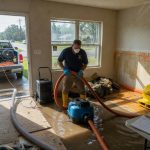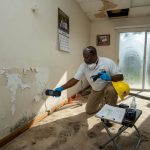
Hard water causes over 85% of household plumbing damage in the United States, yet most homeowners don’t realize the extent of restoration needed until mineral buildup has already caused thousands of dollars in damage. Water damage restoration for hard water issues requires specialized techniques to remove mineral deposits, repair corroded fixtures, and prevent future damage to your home’s plumbing and surfaces.
What Exactly Is Water Damage Restoration for Hard Water Issues?
Water damage restoration for hard water problems involves removing mineral deposits, repairing corroded pipes and fixtures, and restoring surfaces damaged by calcium and magnesium buildup. This specialized restoration process differs from flood damage cleanup because it focuses on reversing long-term mineral accumulation rather than removing standing water.
Hard water contains high levels of dissolved minerals that leave behind white, chalky deposits on everything they touch. Over time, these deposits clog pipes, damage appliances, and create unsightly stains on surfaces.
Professional restoration teams use specialized equipment and techniques to:
- Remove mineral buildup from pipes and fixtures.
- Replace severely corroded plumbing components.
- Clean and restore stained surfaces.
- Install prevention systems to stop future damage.
The restoration process requires different tools and expertise compared to standard water damage cleanup. Technicians must understand mineral chemistry and use specific descaling agents that won’t damage your home’s materials.
How Much Does Professional Water Damage Restoration Cost?
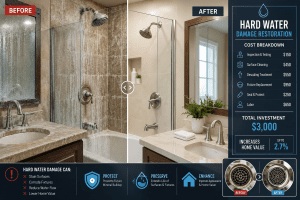
Professional hard water damage restoration typically costs between $2,000 and $8,000 for most residential properties. The final price depends on the extent of mineral buildup, the number of affected fixtures, and whether pipe replacement is necessary.
Cost breakdown by restoration type:
- Surface cleaning and descaling: $500-$1,500.
- Fixture replacement and repair: $1,000-$3,000.
- Pipe descaling and repair: $2,000-$5,000.
- Complete plumbing system restoration: $5,000-$15,000.
Additional factors that affect pricing include:
- Property size: Larger homes require more time and materials.
- Damage severity: Heavy mineral buildup takes longer to remove.
- Accessibility: Hard-to-reach pipes increase labor costs.
- Local rates: Urban areas typically cost 20-30% more than rural locations.
Most restoration companies offer free inspections to provide accurate estimates. Get quotes from at least three certified water damage restoration specialists before making a decision.
Can I Do Water Damage Restoration Myself, or Do I Need Professionals?
You can handle minor hard water stains and surface cleaning yourself, but professional restoration is necessary for pipe corrosion, extensive mineral buildup, or fixture replacement. DIY methods work well for early-stage damage but become ineffective once minerals have hardened or caused structural issues.
DIY restoration works for:
- Light mineral stains on faucets and showerheads.
- Surface cleaning of tiles and glass.
- Descaling individual appliances.
- Preventive maintenance cleaning.
Professional restoration required for:
- Corroded or clogged pipes.
- Reduced water pressure throughout the house.
- Mineral buildup inside water heater tanks.
- Fixture replacement and plumbing repairs.
The biggest mistake homeowners make is waiting too long to call professionals. What starts as a simple cleaning job can become a complete plumbing overhaul if mineral deposits are allowed to harden and accumulate inside pipes.
Professional teams have access to industrial descaling equipment, pipe inspection cameras, and specialized chemicals that aren’t available to consumers. They can also identify hidden damage that might not be visible during a DIY inspection.
How Long Does Water Damage Restoration Take?
Most hard water damage restoration projects take between 3 and 7 days to complete, depending on the scope of work and drying time required. Simple surface cleaning and fixture replacement can be finished in 1-2 days, while extensive pipe restoration may require up to two weeks.
Timeline by restoration type:
- Surface cleaning only: 1-2 days.
- Fixture replacement and repair: 2-4 days.
- Pipe descaling and restoration: 5-10 days.
- Complete system overhaul: 10-14 days.
Factors that extend restoration time include:
- Accessibility issues: Pipes behind walls require additional demolition and repair time.
- Part availability: Special fixtures or pipes may need to be ordered.
- Permit requirements: Major plumbing work often requires city permits.
- Drying time: Surfaces need 24-48 hours to fully dry after cleaning.
Most restoration companies work around your schedule to minimize disruption. They can often maintain water service to essential areas while working on other parts of your home.
What Are the Signs My Home Has Serious Water Damage?
Serious hard water damage shows up as reduced water pressure, white chalky buildup that won’t scrub off, and appliances that break down frequently. These signs indicate mineral deposits have moved beyond surface staining into your plumbing system’s internal components.
Early warning signs:
- White or yellowish stains on faucets and fixtures.
- Soap scum that’s difficult to remove.
- Spots on dishes after washing.
- Reduced lather from soaps and shampoos.
Advanced damage indicators:
- Significantly reduced water pressure.
- Frequent appliance repairs or replacements.
- Visible corrosion on exposed pipes.
- Strange tastes or odors in drinking water.
- Increased utility bills from inefficient appliances.
The most serious sign is when multiple fixtures throughout your home show reduced water pressure simultaneously. This indicates mineral buildup inside your main water lines, which requires immediate professional attention.
Don’t ignore these warning signs. Hard water damage accelerates over time, and what starts as minor staining can lead to complete plumbing system failure within a few years.
Differences Between Water Damage Restoration Companies
Water damage restoration companies vary significantly in their hard water expertise, equipment quality, and certification levels. Choose specialists who specifically mention hard water and mineral damage restoration, not just general flood cleanup services.
Key differences to evaluate:
- Specialized equipment: Look for companies with descaling machines and pipe inspection cameras.
- Certifications: IICRC certification ensures proper training and standards.
- Hard water experience: Ask specifically about mineral damage restoration projects.
- Insurance relationships: Established companies work directly with insurance providers.
- Warranty coverage: Reputable firms guarantee their restoration work.
Questions to ask potential contractors:
- How many hard water restoration projects have you completed?
- What descaling methods do you use for different pipe materials?
- Do you provide before and after water quality testing?
- What warranty do you offer on restoration work?
- Can you provide references from recent hard water projects?
Avoid companies that only offer general water damage services without specific hard water expertise. The techniques and equipment needed for mineral damage restoration are very different from flood cleanup.
Is Water Damage from Hard Water Covered by Insurance
Insurance coverage for hard water damage varies significantly based on your policy type and the specific cause of damage. Most standard homeowner’s policies exclude gradual damage from mineral buildup but may cover sudden pipe failures caused by hard water corrosion.
Typically covered scenarios:
- Sudden pipe bursts due to mineral corrosion.
- Appliance failures that cause flooding.
- Damage from broken water heater tanks.
- Emergency plumbing repairs for blockages.
Usually not covered:
- Gradual mineral staining and buildup.
- Routine maintenance and cleaning.
- Preventive pipe replacement.
- Water softener installation.
The key distinction is between sudden, accidental damage and gradual deterioration. Insurance companies generally don’t cover maintenance issues or damage that develops slowly over time.
Review your policy carefully and document any sudden failures with photos and repair estimates. Some insurers offer additional coverage for water-related damages that might include hard water issues.
How to Prevent Future Hard Water Damage in My Home?
Installing a whole-house water softener system is the most effective way to prevent future hard water damage, reducing mineral content by 95-99% before water enters your plumbing. This single investment typically pays for itself within 3-5 years through reduced maintenance and appliance replacement costs.
Primary prevention methods:
- Water softener systems: Remove minerals before they enter your plumbing ($800-$2,500 installed).
- Regular maintenance: Monthly cleaning of fixtures and quarterly appliance descaling.
- Water testing: Annual testing to monitor mineral levels and system effectiveness.
- Pipe insulation: Reduces mineral precipitation in cold pipes.
Additional protective measures:
- Install individual filters on high-use fixtures.
- Use rinse aids in dishwashers to prevent spotting.
- Wipe down shower surfaces after each use.
- Replace appliance hoses every 3-5 years.
The most common prevention mistake is installing a water softener but skipping regular maintenance. Even the best systems require periodic cleaning and salt refills to remain effective.
Consider your water’s specific mineral content when choosing prevention methods. Extremely hard water may require multiple treatment stages for complete protection.
What Equipment Do Water Damage Restoration Experts Use?
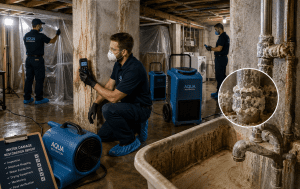
Professional water damage restoration teams use specialized descaling machines, high-pressure water jets, and pipe inspection cameras to remove mineral buildup and assess damage extent. This industrial equipment can remove deposits that household cleaners and tools cannot touch.
Essential professional equipment:
- Descaling machines: Remove mineral buildup from inside pipes using controlled chemical solutions.
- Pipe inspection cameras: Identify blockages and damage without destructive excavation.
- High-pressure water jets: Clear severe blockages and surface deposits.
- Industrial dehumidifiers: Speed drying after cleaning and repairs.
- Water quality testing kits: Measure mineral levels before and after treatment.
Specialized tools for different materials:
- Ultrasonic cleaners for delicate fixtures.
- Rotary pipe cleaning equipment for main lines.
- Chemical injection systems for targeted descaling.
- Protective coatings for restored surfaces.
This professional equipment costs tens of thousands of dollars and requires specialized training to operate safely. Attempting to use similar tools without proper knowledge can damage pipes or create safety hazards.
The combination of proper equipment and expertise allows professionals to restore severely damaged systems that would otherwise require complete replacement.
Common Mistakes Homeowners Make When Dealing with Water Damage
The biggest mistake homeowners make is using acidic cleaners like vinegar or lemon juice on natural stone surfaces, which can cause permanent etching and damage. While these cleaners work well on glass and metal fixtures, they destroy marble, granite, and limestone surfaces.
Critical mistakes to avoid:
- Wrong cleaning products: Acidic cleaners damage natural stone and some metals.
- Ignoring early signs: Waiting until damage is severe increases restoration costs dramatically.
- DIY pipe work: Improper repairs can cause leaks and additional damage.
- Mixing cleaning chemicals: Can create dangerous fumes or ineffective solutions.
- Skipping professional assessment: Hidden damage often goes unnoticed without proper inspection.
Safe cleaning approach for different materials:
- Glass and chrome: Vinegar solutions work well.
- Natural stone: Use pH-neutral cleaners only.
- Stainless steel: Specialized stainless cleaners prevent scratching.
- Painted surfaces: Mild detergent solutions are safest.
Another common error is assuming all mineral stains are the same. Different minerals require different removal techniques, and using the wrong approach can make stains permanent or damage surfaces.
Always test cleaning solutions in an inconspicuous area first, and stop immediately if you notice any surface changes or damage.
How Dangerous Is Untreated Water Damage to My Health?
Untreated hard water damage itself doesn’t pose direct health risks, but the conditions it creates can promote mold growth and bacterial buildup in stagnant water areas. The primary health concerns come from secondary issues rather than the mineral deposits themselves.
Potential health impacts:
- Mold growth: Persistent moisture from leaks creates ideal mold conditions.
- Bacterial contamination: Stagnant water in clogged pipes can harbor harmful bacteria.
- Skin and hair irritation: High mineral content can cause dryness and irritation.
- Respiratory issues: Mold spores from water-damaged areas affect air quality.
When to seek immediate attention:
- Visible mold growth around water fixtures.
- Musty odors that persist after cleaning.
- Unexplained respiratory symptoms in household members.
- Standing water that won’t drain properly.
The minerals in hard water are generally safe to consume and don’t cause poisoning or acute illness. However, the damage they cause to your plumbing system can create conditions where harmful microorganisms thrive.
Address plumbing leaks and standing water immediately to prevent these secondary health risks from developing.
Water Damage Restoration for Renters vs Homeowners
Renters must report hard water damage to landlords immediately and document all issues with photos and written communication, as most lease agreements make property owners responsible for plumbing repairs and restoration. However, tenants may be liable for damage caused by their negligence or failure to report problems promptly.
Renter responsibilities:
- Report damage immediately upon discovery.
- Document issues with photos and dates.
- Allow reasonable access for repairs.
- Prevent additional damage when possible.
Landlord responsibilities:
- Address plumbing issues within reasonable timeframes.
- Pay for restoration of structural damage.
- Ensure habitability during repair periods.
- Cover costs for professional restoration services.
Homeowner advantages:
- Complete control over restoration timing and methods.
- Ability to choose contractors and materials.
- Insurance claims filed directly.
- Long-term prevention investments pay off.
Renters should review their lease agreements carefully to understand damage reporting requirements and timelines. Some leases require written notice within 24-48 hours of discovering issues.
Keep detailed records of all communication with landlords about water damage issues. This documentation protects both parties and ensures proper insurance coverage.
What Areas of My House Are Most Vulnerable to Hard Water Damage?
Bathrooms face the highest risk of hard water damage due to constant moisture exposure and frequent water use, followed closely by kitchens and laundry rooms. These areas see the most mineral buildup because water sits on surfaces longer and evaporates repeatedly in the same locations.
Highest risk areas:
- Bathrooms: Showers, tubs, and toilet fixtures see daily mineral exposure.
- Kitchens: Sinks, dishwashers, and coffee makers accumulate deposits quickly.
- Laundry rooms: Washing machines and utility sinks face heavy mineral loads.
- Water heater locations: Tanks concentrate minerals through repeated heating cycles.
Moderate risk areas:
- Guest bathrooms with less frequently.
- Outdoor spigots and irrigation systems.
- Basement utility connections.
- Hot tub and pool equipment.
Lower risk areas:
- Bedrooms and living areas (unless they have wet bars).
- Closets and storage areas
- Attics and crawl spaces.
Focus your prevention and monitoring efforts on high-risk areas first. Installing point-of-use filters or softeners in these locations can provide targeted protection even without a whole-house system.
Check these vulnerable areas monthly for early signs of mineral buildup, and address issues immediately before they cause serious damage.
Conclusion
Hard water damage restoration requires specialized expertise and equipment to effectively remove mineral deposits and repair corroded systems. While minor surface stains can be addressed with DIY methods, significant damage involving reduced water pressure, pipe corrosion, or fixture replacement demands professional intervention.
The key to successful restoration lies in early detection and prompt action. Waiting until damage becomes severe can increase costs from a few thousand dollars to complete plumbing system replacement. Regular monitoring of high-risk areas like bathrooms and kitchens helps catch problems before they become expensive repairs.
Prevention through water softening systems offers the best long-term protection against future hard water damage. Combined with regular maintenance and proper cleaning techniques, these systems can eliminate the need for costly restoration projects while protecting your home’s value and your family’s comfort.